Vodka contains about 64 calories per 1-ounce shot, largely devoid of nutrients. On the other hand, a standard 12-ounce beer averages 150 calories, with variations based on the type. Beer also offers small amounts of carbohydrates and traces of vitamins, such as B vitamins.
How Different Types of Alcohol Affect Dehydration
This, in turn, could slow down the urine production of your kidneys, which means you’ll pass the wine out of your system more slowly as well. Research has shown that drinks with up to 2% alcohol (think a very, very light beer) don’t really hurt your rehydration efforts compared to plain water. But once you get into drinks with a higher ABV, like a standard 4% or 5% beer, they can actually delay your body from getting its fluid balance back to normal.
- This all becomes especially important when you’re trying to rehydrate after a workout.
- However, it is crucial to remember that consuming alcohol still dehydrates the body, so moderation is key.
- One effective strategy is to alternate alcoholic beverages with non-alcoholic, hydrating options such as water or electrolyte-rich drinks.
- Drinking alcohol, combined with mixing it with other beverages, should always be done responsibly and in moderation.
Alcohol Use, Sober Curiosity, And Recovery In College Mental Health

That said, the higher a drink’s alcohol content, the more of a diuretic it’s believed to be. Alcohol works as a diuretic largely because it suppresses the release of a hormone called vasopressin, which is also known as antidiuretic hormone. With less vasopressin in your system, the body excretes more water, which in turn causes you to pee more (2). Having the right balance of fluid in your system is essential for your body to carry out basic functions.
What’s in a Bloody Mary?
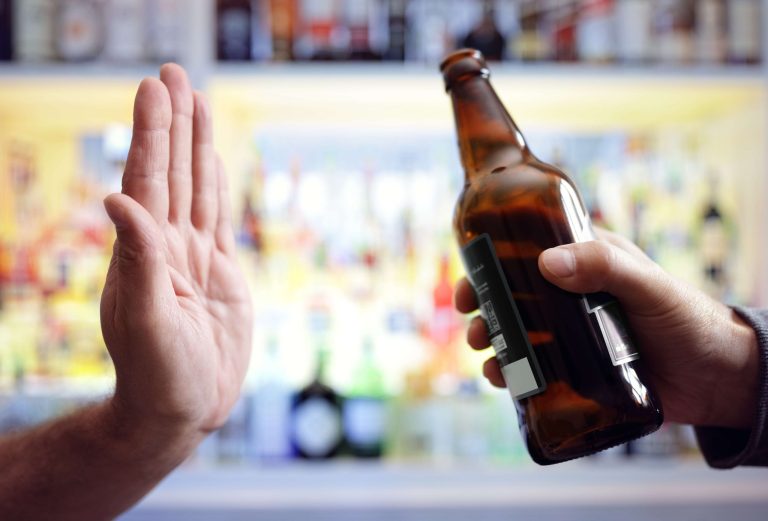
Additionally, the quality of sleep you get after drinking can impact hangover severity. Alcohol disrupts sleep patterns, so even with a lower-calorie drink, poor sleep quality can exacerbate hangover symptoms. Prioritize restful sleep after drinking to aid your body’s recovery process. In summary, vodka and seltzer is a low-calorie, carb-free alcohol option that appeals to those looking to minimize their caloric and carbohydrate intake. However, its lack of nutrients means it should not be considered a Alcoholics Anonymous health drink. It serves as a lighter alternative to more calorie-dense beverages but does not contribute to overall nutrition.
Potential Risks of Vodka
They’re your body’s version of an SOS signal, a desperate plea for immediate rehydration. That dreaded morning-after misery we automatically label a “hangover” is often just your body screaming for water. In reality, a lot of those classic hangover feelings are the direct results of dehydration, just wearing a clever disguise. No, once alcohol has undergone dehydration, it is not possible to reverse the process and restore the lost water molecules. The proportions of Gatorade and vodka can be adjusted based on personal preference.
Alcohol dehydration vs dehydration of alcohol:
Drinking hard seltzer in moderation and alternating with water can mitigate dehydration. However, excessive consumption, especially in hot or physically active environments, can lead to significant fluid loss. The body’s ability to recover from dehydration is also slower when alcohol is involved, as it impairs the kidneys’ ability to retain water efficiently. It’s also important to be aware of the potential impact of alcohol on kidney function and electrolyte balance.
Vodka soda is a mix of vodka and soda water, club soda, or seltzer
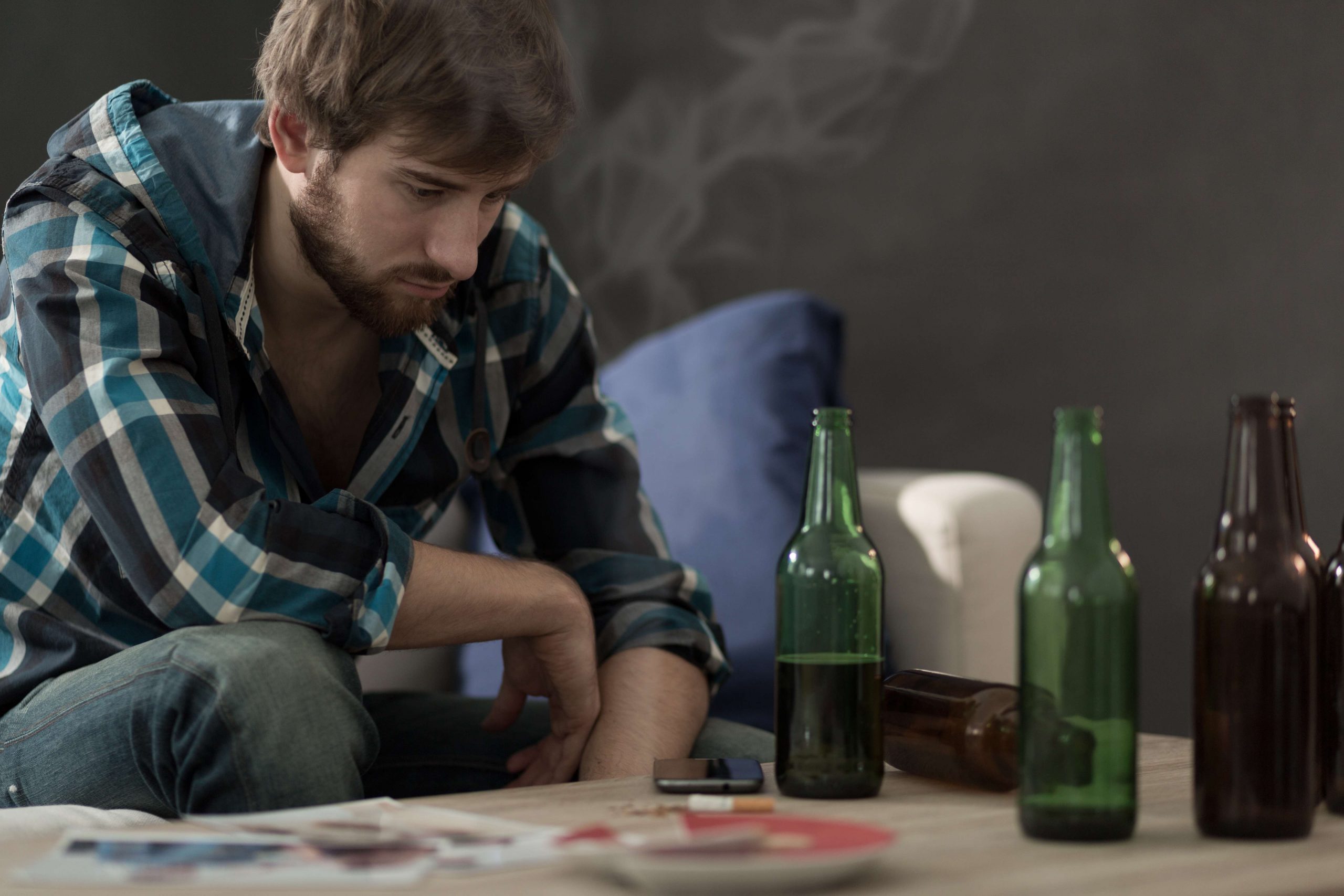
Mixed drinks may contain soda, juice, or other sugar-sweetened beverages as well. As MedlinePlus points out, calories from alcoholic beverages can add up quickly. Unfortunately, alcohol isn’t a significant source of any micronutrients, which means you won’t get any health benefits to go with all of these calories. Nutritionally speaking, it’s best to limit alcohol consumption as much as possible. Ultimately, while alcohol does have dehydrating effects on the body, there are ways to stay hydrated while drinking.
How Do You Make Folgers Coffee: Tips for the Perfect Brew Every Time
The carbonation in the soda water can further enhance hydration by aiding the absorption of water into the bloodstream. However, it is important to is vodka dehydrating note that even with the added hydration from the soda water, the vodka will still have a diuretic effect. Therefore, it is recommended to drink water in between alcoholic beverages to stay properly hydrated and mitigate the dehydrating impact of alcohol. To enhance hydration while drinking vodka soda, consider adding a squeeze of lime or lemon to your drink. These citrus fruits have hydrating properties and can help replenish electrolytes lost due to alcohol consumption.